The art and science of human change.
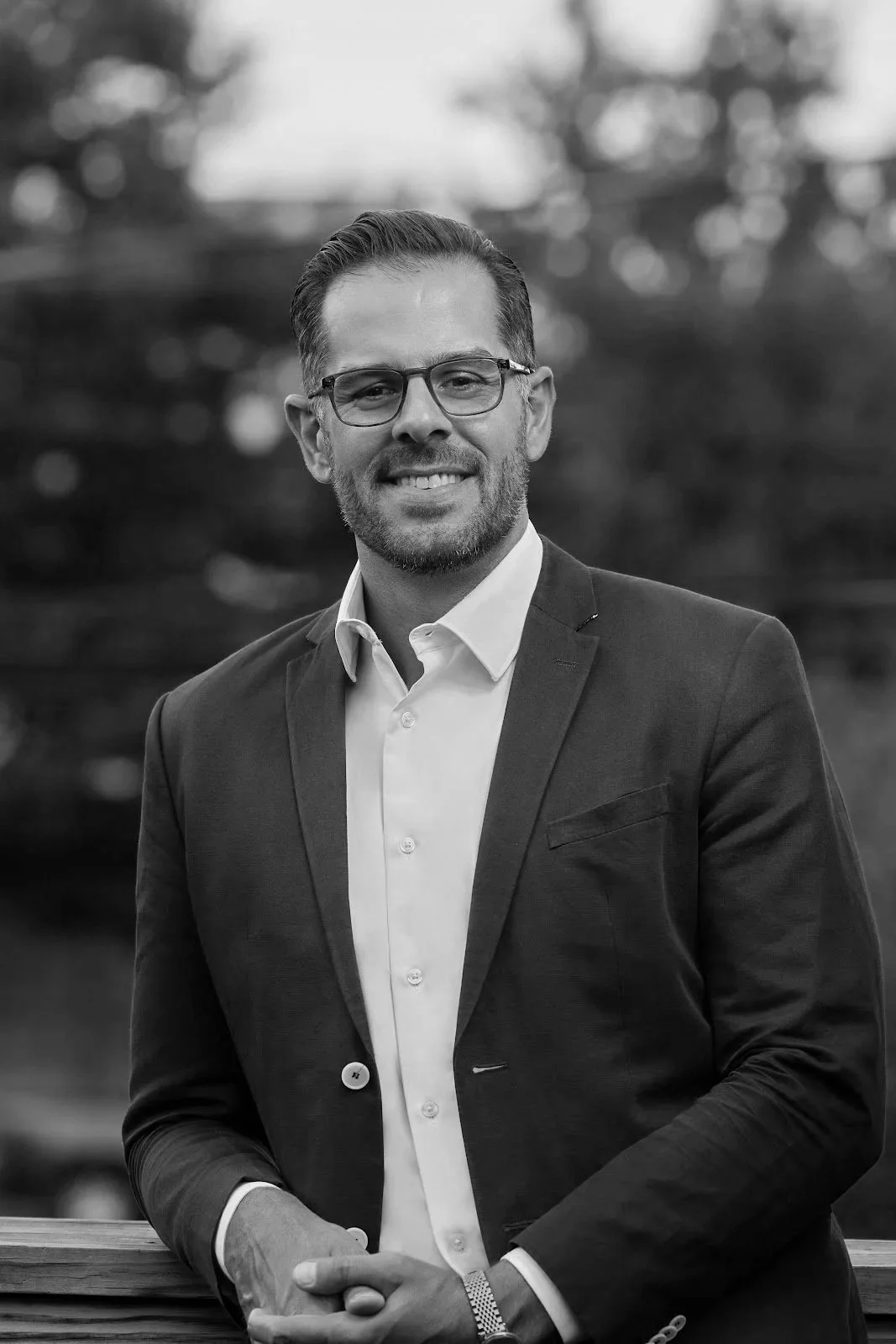
Hi, I’m Matt Johnson.
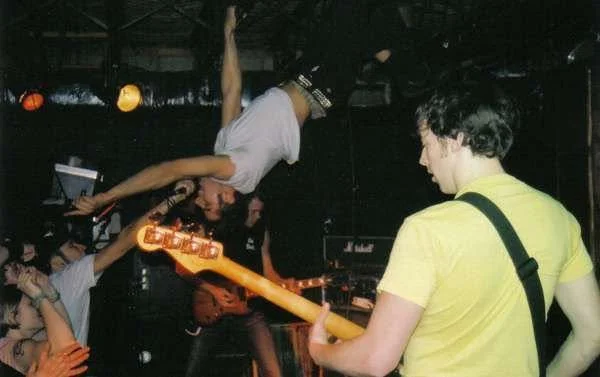
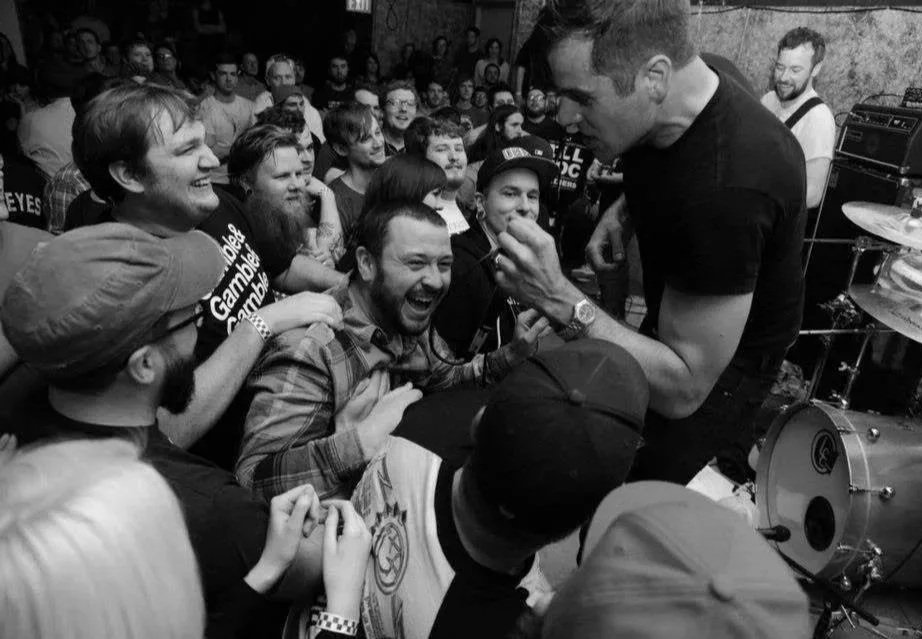
Pentagon policymaker. Corporate change leader. Trained mathematician. Former frontman of a punk band. Nonfiction author.
These roles may seem worlds apart, but in reality, they combined to provide a masterclass in human behavior. They taught me how and why humans change, and how to make it happen when it matters most.
Whether it was compelling the United States Congress to approve security programs in Ukraine, helping Fortune 500 executives transform organizations, or persuading the Michigan governor to change corrections policy to increase public safety, the work was the same: uncover what truly drives key stakeholders, locate the points of influence and alignment, and define a path to change.
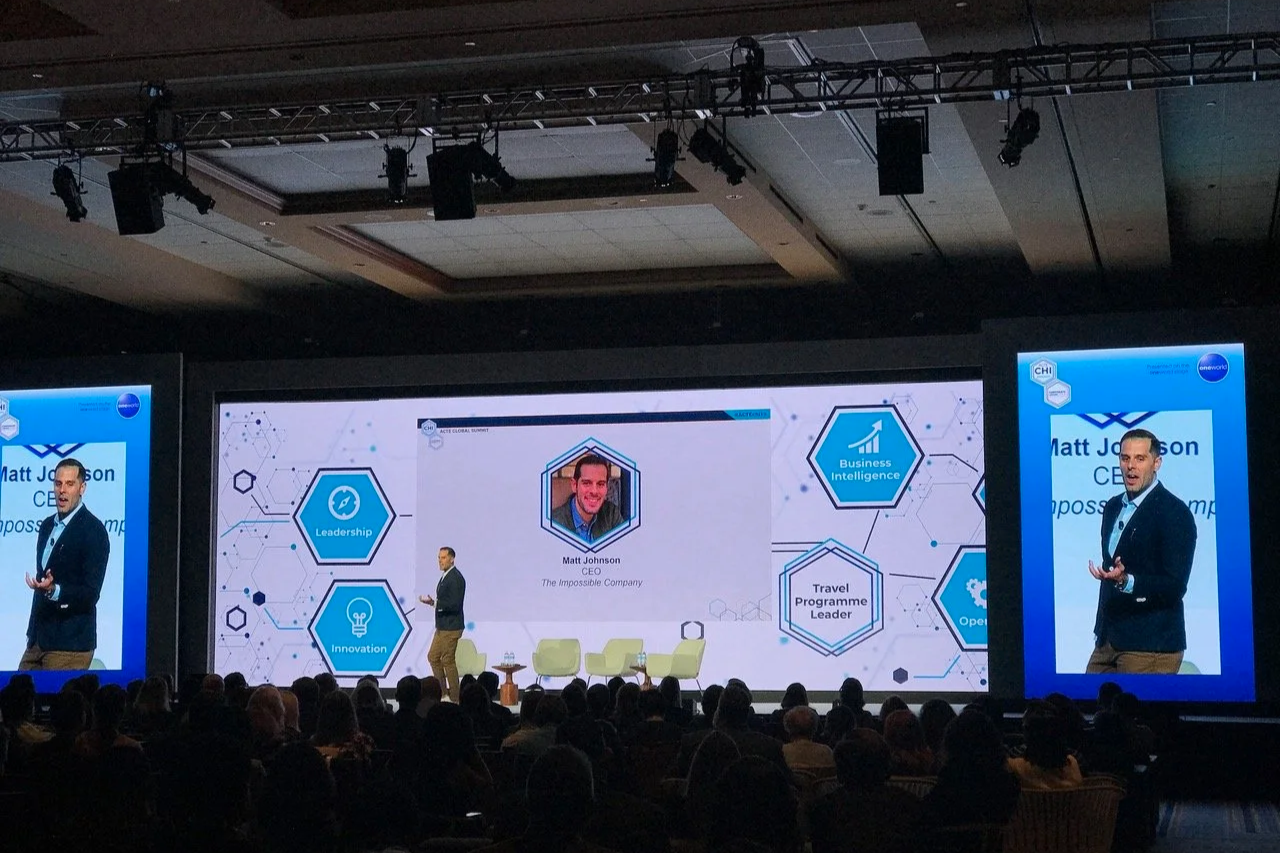
With master’s degrees in public policy from the University of Michigan and mathematics from the University of Iowa, I now lead The Impossible Company while working on a new book.
Keynote Topics
-
For much of the time that we’ve had language, we've had music for the work we do—sea shanties, field songs, and industrial hymns. Music that gave people meaning, strengthened bonds, built resilience, and passed wisdom from generation to generation.
But modern work has no song.
The musicologists will tell us that the power of work music didn’t come from the melodies, but the stories they carried. Stories that made people feel part of something larger than themselves. Stories worth repeating. Unfortunately, too many organizations today have lost their story—replacing it with communications that inform but don't move, that update but don't inspire.
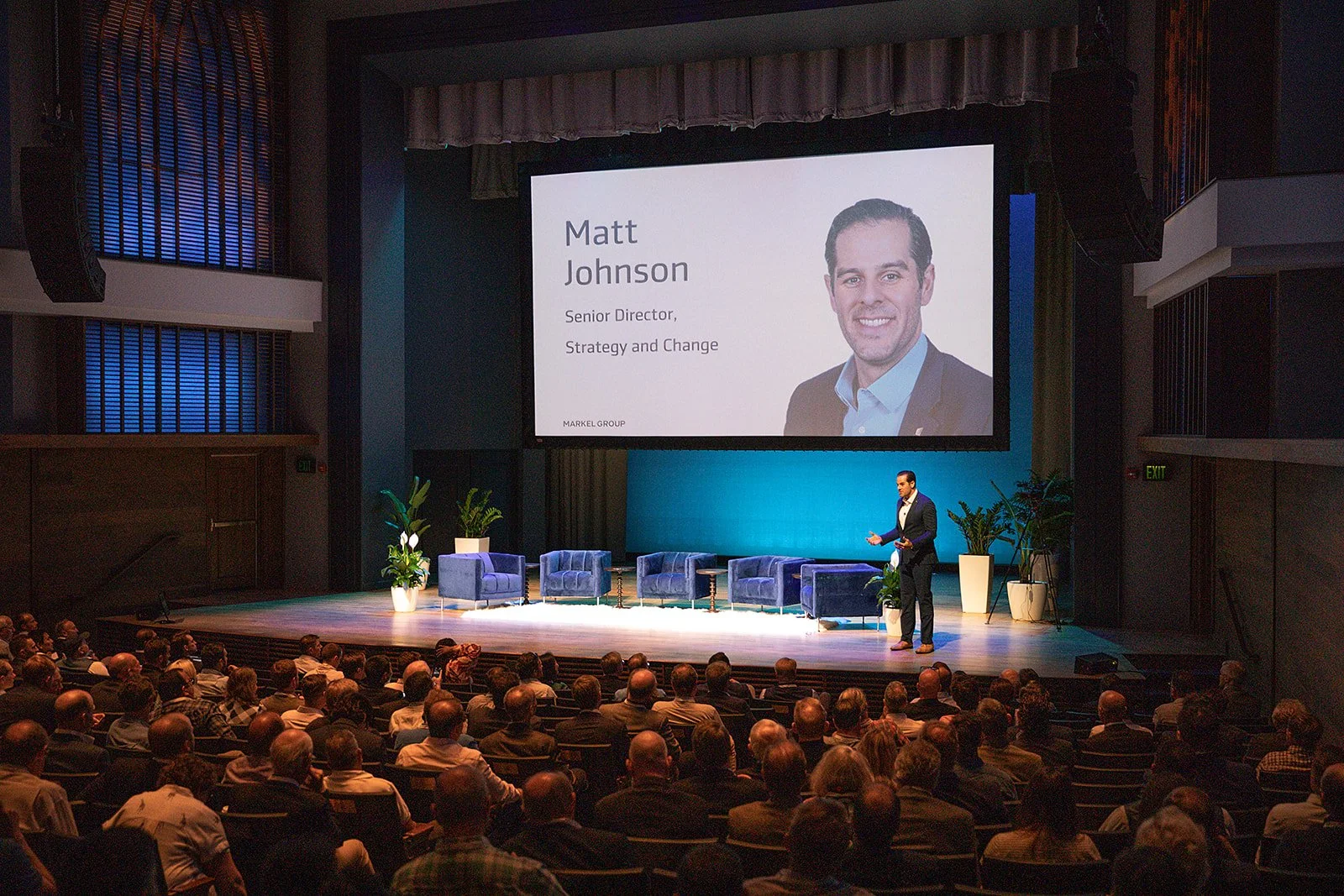
Drawing from Matt’s book, Work Songs, this session will equip participants with the tools they need to shape and tell stories that organizations need to navigate change, rally their people, and make their purpose felt.
The stories we tell our employees and customers can do what work songs once did, and we don’t have to let the music die.
Skills: Understanding your audience; Storytelling; Persuasive Communication
Key Takeaways:
Why storytelling is the most powerful human invention.
Why all great stories have similar shapes.
How to craft and tell a story that will influence your audience.
-
For as long as humans have organized into tribes, nations, and empires, we have relied on diplomats. They are the builders of bridges, the decoders of hidden agendas, and the architects of peace. We tend to think of diplomacy as something that happens at historic summits, under grand chandeliers, or across international borders.
But the most challenging borders are often within.
The modern corporation is its own geopolitical landscape—complete with competing factions, deeply entrenched silos, alliances, and conflicting human incentives. Too often, leaders try to push through massive changes or complex initiatives using raw authority, only to find their efforts quietly vetoed by institutional inertia or stakeholder resistance. True leadership inside Fortune 500 walls isn't about issuing commands; it’s about managing the quiet politics of alignment.
Leveraging his experience in the Office of the Secretary of Defense, Matt will offer the tools and ideas participants need to build relationships, understand and influence stakeholders, and negotiate like the best diplomats. This session reframes the corporate landscape from a battleground of competing interests into an ecosystem of collaborative value, proving that the highest form of power is to connect and persuade.
Skills: Social Psychology; Advanced Negotiation; Cross-Functional Alignment
Key Takeaways:
How to map the hidden incentives, fears, and motivations of your key stakeholders.
Time-tested negotiation tools used by diplomats.
How to grow influence, build trust, and drive cross-functional cooperation.
-
Whether it was mapping the Human Genome Project ahead of schedule, conquering the engineering nightmares of the Panama Canal, or any other of the greatest achievements in history, there were hidden mechanics of collaboration powering those teams. Norms and behaviors that shaped shared beliefs, sustained momentum, and expanded the team’s creativity.
Building teams like these is more science than art. Unfortunately, it’s a science that most leaders never learn.
Many organizations today face their own version of impossible: stagnant markets, cultural inertia, and disruption that seems to arrive faster than any strategy can absorb. Most leaders respond with better plans, better tools, and more urgency. What they often miss is the one variable that separates teams that break through from teams that break down—not chemistry, not luck, but a deliberate behavioral architecture.
Drawing on research in organizational behavior and the history of high-performing teams, this session teaches leaders how to design that architecture from the ground up.
Key Takeaways:
How to shift a group's understanding of what’s possible.
The norms and behaviors that increase group performance.
How to structure early milestones that build momentum rather than just measure it.
How to insulate a team's conviction from the institutional cynicism that quietly kills audacity.
Skills: Organizational Behavior; Group Dynamics & Potency; High-Performance Leadership
-
Most organizational change efforts fail. Maybe our first mistake was calling it "change management." This implies human behavior can somehow be managed with slide decks, emails, town halls, and other tools of bureaucracy.
Maybe we forgot that organizations are social systems—that the beliefs people hold, the relationships they form, and the stories they tell each other are the real forces that determine whether change takes hold.
Creating lasting change inside an organization is more anthropology than bureaucracy. It’s more psychology than technology. It requires mapping the human terrain to understand who the real influencers are, where the resistance lives and why, and what story needs to be true for people to want to move. It’s work that happens one stakeholder, one conversation, one moment at a time.
This session will equip leaders with the insights and tools they need to do it well.
Skills: Stakeholder analysis and mapping; Influence; Storytelling
Key Takeaways:
Why change is hard for human beings.
Understanding the difference between passive and active resistance to change.
How to identify and influence key stakeholders.
When and how to leverage storytelling to create momentum for change.
Custom keynotes available on storytelling, influence, negotiation, conflict resolution, and cooperation.